 Denpasar · Bali's Finest Handcrafted Furniture
Bali Coffee Table: Exquisite Craftsmanship for Export
Discover our range of beautifully handcrafted Bali coffee tables, perfect for upscale interiors. Export quality, customizable designs, and sustainable materials for international markets.
What are you sourcing?
Let us know your requirements and we'll guide you to the perfect table.
For discerning buyers seeking authentic craftsmanship and sustainable luxury, Bali coffee tables offer a compelling blend of artistry and natural materials. These tables are crafted by skilled Balinese artisans using premium woods like teak, mahogany, and suar. As a major furniture hub, Bali is known for its eco-friendly practices, making it an ideal source for businesses looking to offer unique, environmentally conscious products.
Artisan Craftsmanship and Material Choices
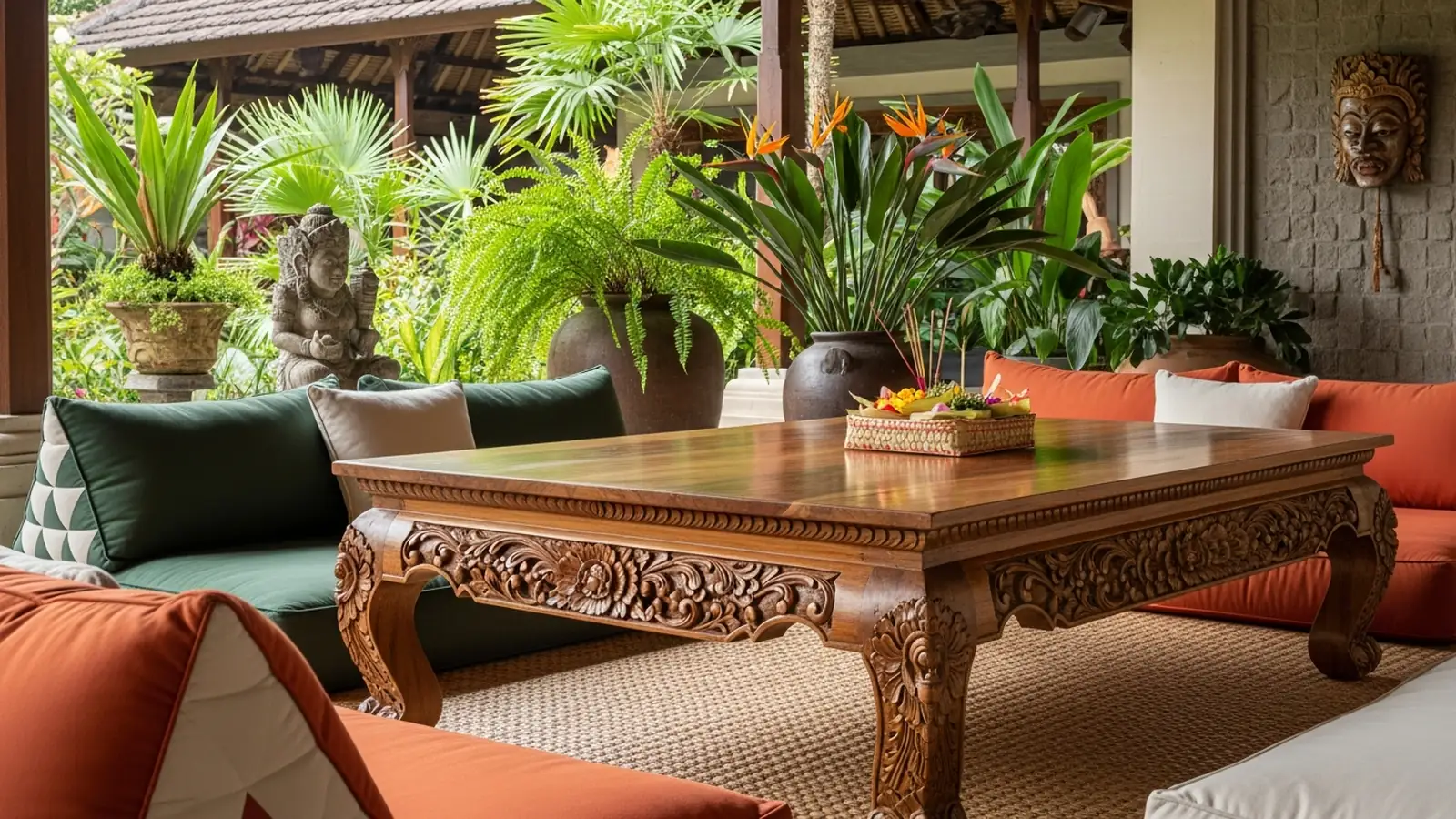
Bali coffee tables are renowned for their artisan craftsmanship. Skilled Balinese artisans handcraft each piece, ensuring unique designs that resonate with buyers seeking authenticity. The primary material used is teak wood, prized for its durability and weather resistance. Teak’s distinctive grain makes it perfect for rustic and resort-style interiors. Additionally, other hardwoods like suar, mahogany, and reclaimed boat wood are frequently used. These materials are chosen not only for their aesthetic appeal but also for their sustainable sourcing. Many producers emphasize the use of FSC-certified wood to meet international sustainability standards, appealing to environmentally conscious buyers.
Design and Style Variations
Bali coffee tables come in a variety of styles, catering to different aesthetic preferences. Driftwood-style tables are popular, marketed as “sustainably sourced, handcrafted teak wood.” These tables exude a rustic, natural charm, making them a timeless addition to any home. Other styles incorporate modern elements, blending traditional craftsmanship with contemporary design. Wicker and rattan options are also available, often featuring in “Bali Sunroom” collections. These pieces combine wicker frames with foam cushions, offering a relaxed, tropical style. The diversity in design ensures that buyers can find a Bali coffee table that aligns with their brand’s identity and customer preferences.
Market Demand and Export Potential
The global coffee tables market is thriving, with a projected growth from USD 2.4 billion in 2021 to USD 6.0 billion by 2033. This growth indicates a strong demand for coffee tables, including those from Bali. Export-oriented businesses in Bali are well-positioned to capitalize on this trend, leveraging their reputation for quality craftsmanship and sustainable practices. Bali coffee tables are particularly appealing to international buyers looking for unique, ethically sourced products. The combination of artisan craftsmanship and sustainable materials positions Bali as a competitive player in the global market.
Regulatory Compliance and Export Logistics
Exporting Bali coffee tables involves navigating various regulatory requirements. Indonesian timber legality regulations, such as the SVLK system, ensure that wood products are legally sourced. For exports to the EU, FLEGT licensing is critical, recognizing SVLK certification for legal timber. In the US, compliance with the Lacey Act is necessary to avoid trade in illegally sourced timber. Logistics for exporting typically involve sea freight from the Port of Benoa or major Java ports, making it essential for buyers to understand these processes. Production lead times for custom orders range from 4–8 weeks, with additional time for shipping, depending on the destination.
Pricing and Cost Considerations
Bali coffee tables are competitively priced, with FOB prices ranging from USD 150 to 800 per piece. Prices vary based on size, design, and material, with solid wood or designer pieces often commanding higher prices. For international retail, prices typically range from USD 300 to 1,000, depending on complexity and market positioning. Buyers should confirm prices with suppliers, considering factors like minimum order quantities (MOQs) and shipping costs. Understanding these pricing dynamics is crucial for businesses aiming to offer competitive products while maintaining healthy profit margins.
Sustainability and Ethical Sourcing
Sustainability is a core aspect of Bali coffee table production. Many producers prioritize eco-friendly practices, using FSC-certified wood and promoting sustainable sourcing. This commitment appeals to buyers who value ethical products. The use of reclaimed boat wood and other recycled materials further enhances the sustainability credentials of Bali coffee tables. International marketing often emphasizes phrases like “sustainably sourced” and “made by Balinese artisans,” attracting buyers seeking authentic and ethical home décor items.
Choosing the Right Supplier
Selecting the right supplier is crucial for businesses looking to import Bali coffee tables. Buyers should look for suppliers with a proven track record of quality and reliability. It’s important to verify certifications like FSC and SVLK to ensure compliance with international standards. Communication is key; establishing a clear line of communication with suppliers can help address any potential challenges in production or logistics. By partnering with reputable suppliers, businesses can ensure a consistent supply of high-quality Bali coffee tables that meet their brand’s standards and customer expectations.
Understanding the Cultural Significance
Bali is not just a geographical location; it is a cultural hub that has influenced the aesthetics and craftsmanship of its products. The island’s rich cultural heritage is reflected in the intricate designs and traditional methods used in crafting coffee tables. Balinese artisans often draw inspiration from local mythology, traditional dances, and the natural beauty surrounding them. This cultural influence ensures that each piece is not just a piece of furniture but a representation of Balinese heritage. Buyers who value cultural authenticity will find these elements particularly appealing, adding a unique story to each table.
Environmental Impact and Community Benefits
The production of Bali coffee tables extends beyond just sustainability; it has a significant positive impact on local communities. Many workshops employ local artisans, providing them with stable employment and promoting skills development. This focus on community empowerment ensures that the benefits of the industry are shared locally. Additionally, the commitment to using sustainably sourced materials helps preserve the natural environment, ensuring that Bali remains a thriving ecosystem for future generations. By purchasing Bali coffee tables, buyers contribute to these positive social and environmental outcomes, aligning their business practices with broader ethical values.
Ready to explore the unique offerings of Bali coffee tables? Discover more about our products and services by visiting our about page, or get in touch with us directly through our contact page. Our team is eager to assist you in bringing the artistry of Bali to your market.